Livelihood and abundance
To keep a shop’s light on, give long labour a steadier return, and let what is earned care for oneself and those one loves.

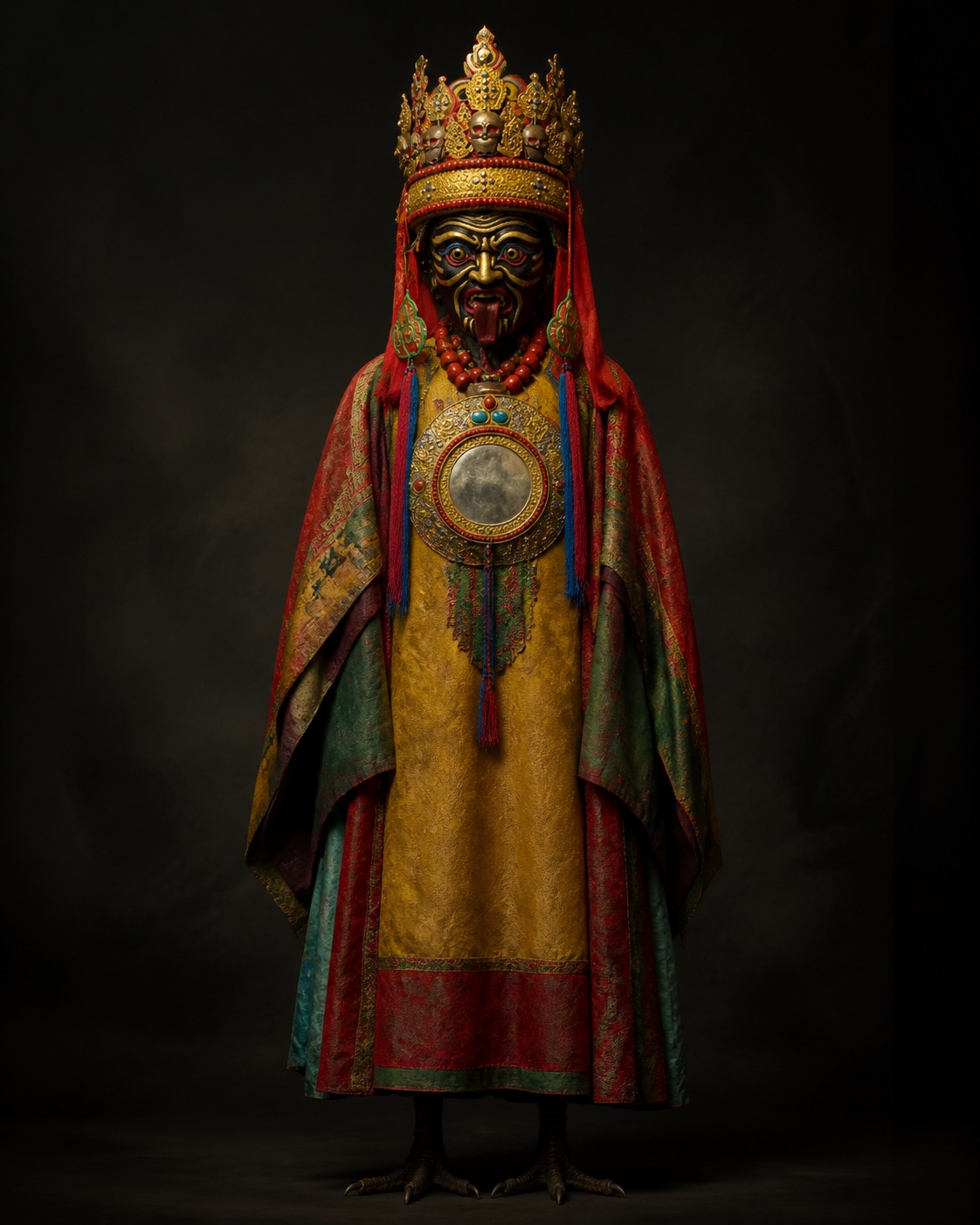
ZAKIRAM / GODDESS OF WEALTH AND TURNING POINTS
At Zaki Temple in Lhasa, people come before the dark-faced goddess Zakiram with hopes for business, prosperity, a protected home, and a turning point. Her gaze is forceful, her round chest mirror gathers light, and she is known as a Goddess of Wealth whose presence brings courage at decisive moments.
SEVAIN / STORY 01
A GODDESS WHO ARRIVED AND STAYED
Research on the history of Zaki Temple and the belief surrounding Zakiram traces both local and Central-Plains narratives. In one widely circulated telling, a female deity travels west with a learned master and remains near Zhaji Tang; other accounts place her beginnings locally.
The different versions do not confine her to a single beginning. Instead, journey, arrival, and remaining become the story’s most compelling thread: a female figure brought to another place is received there, then given new meaning within local life.
THE FIGURE / FACE, MIRROR, ROBES
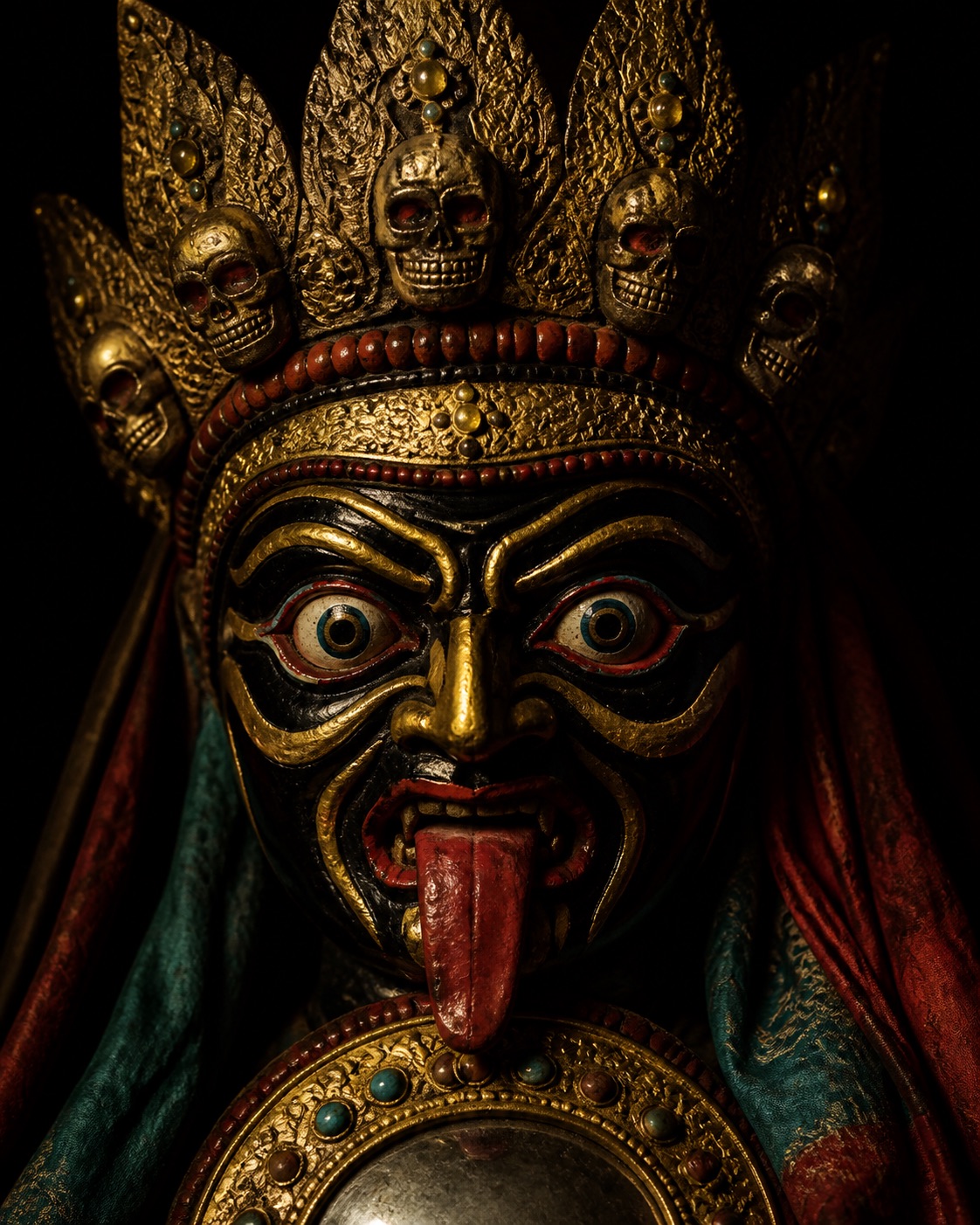
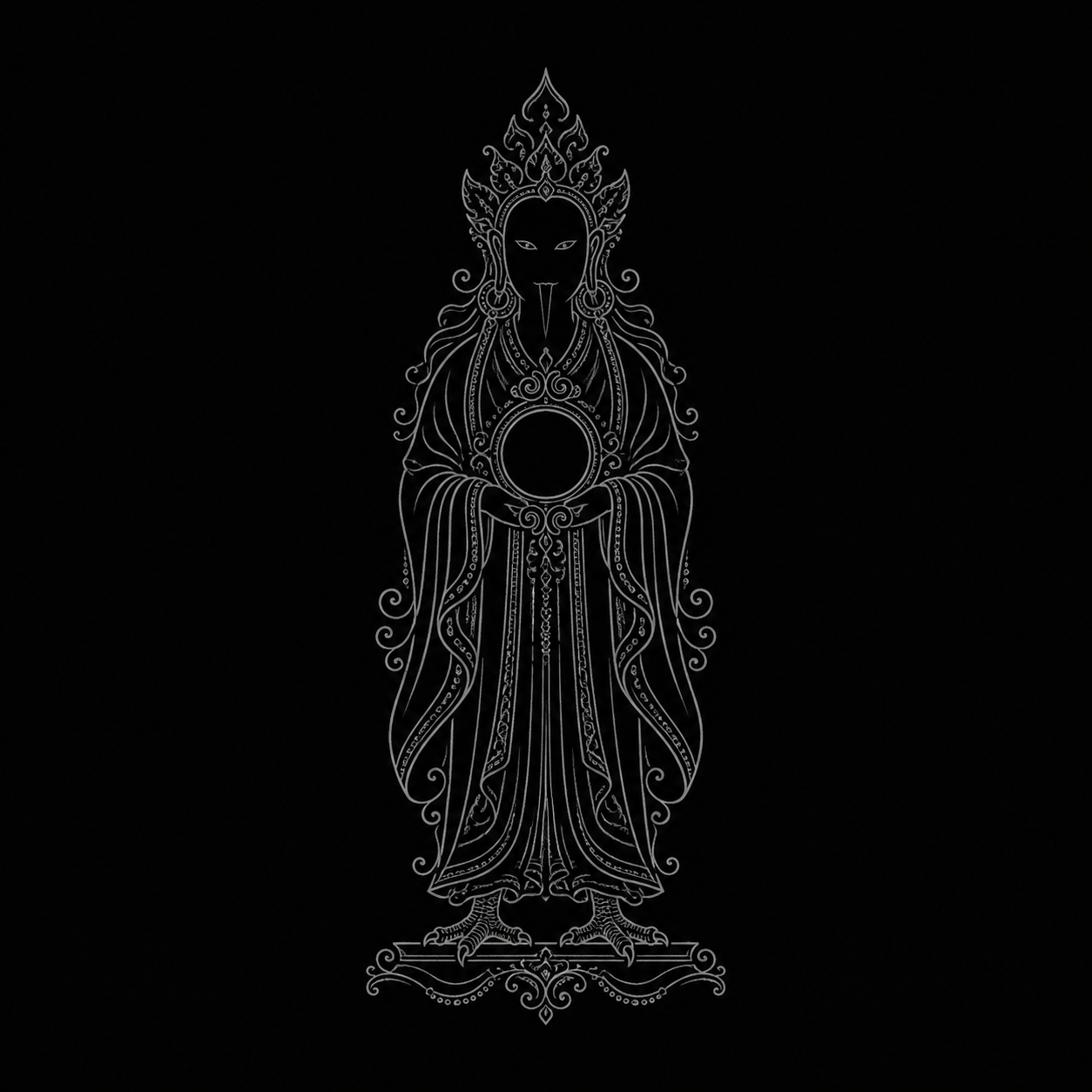
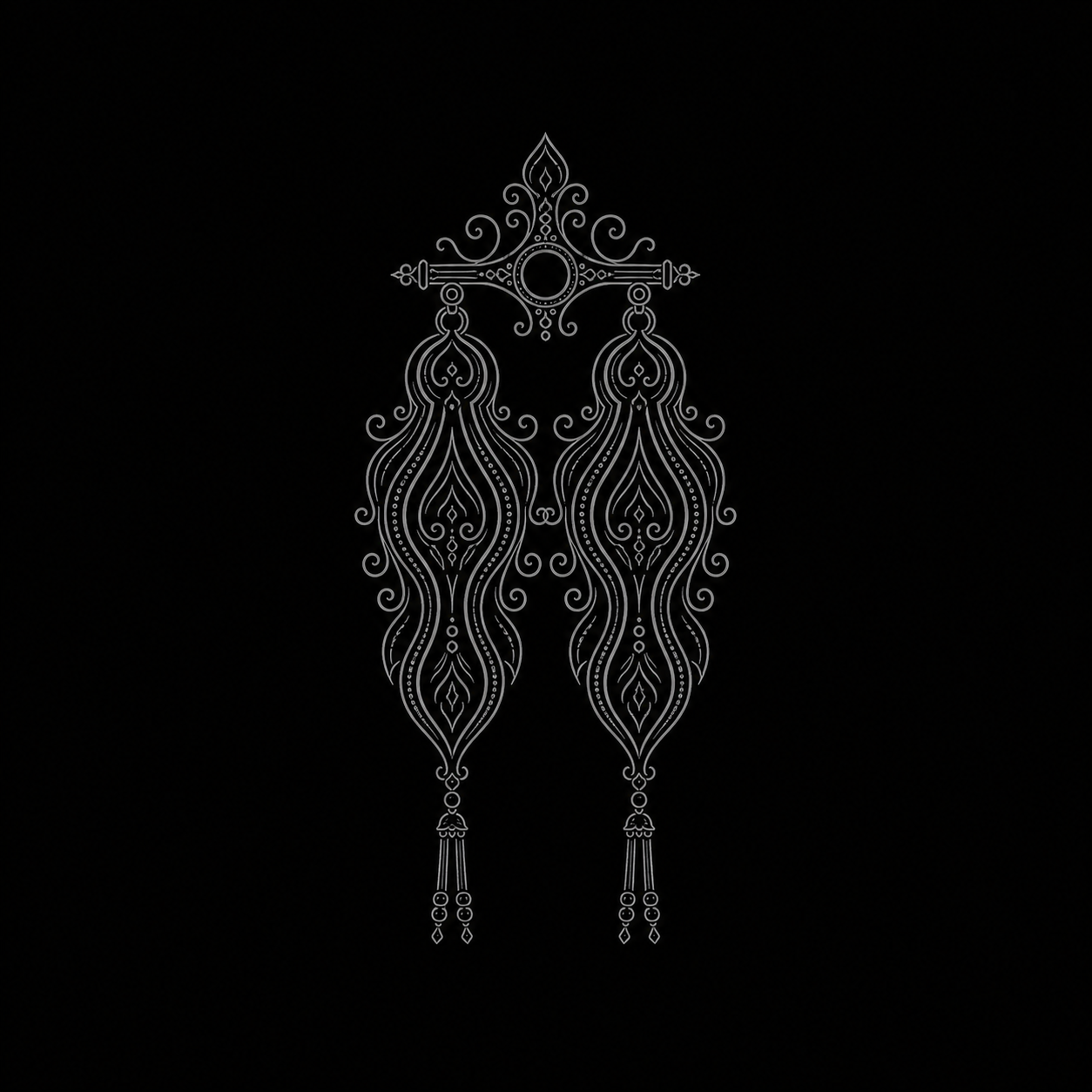
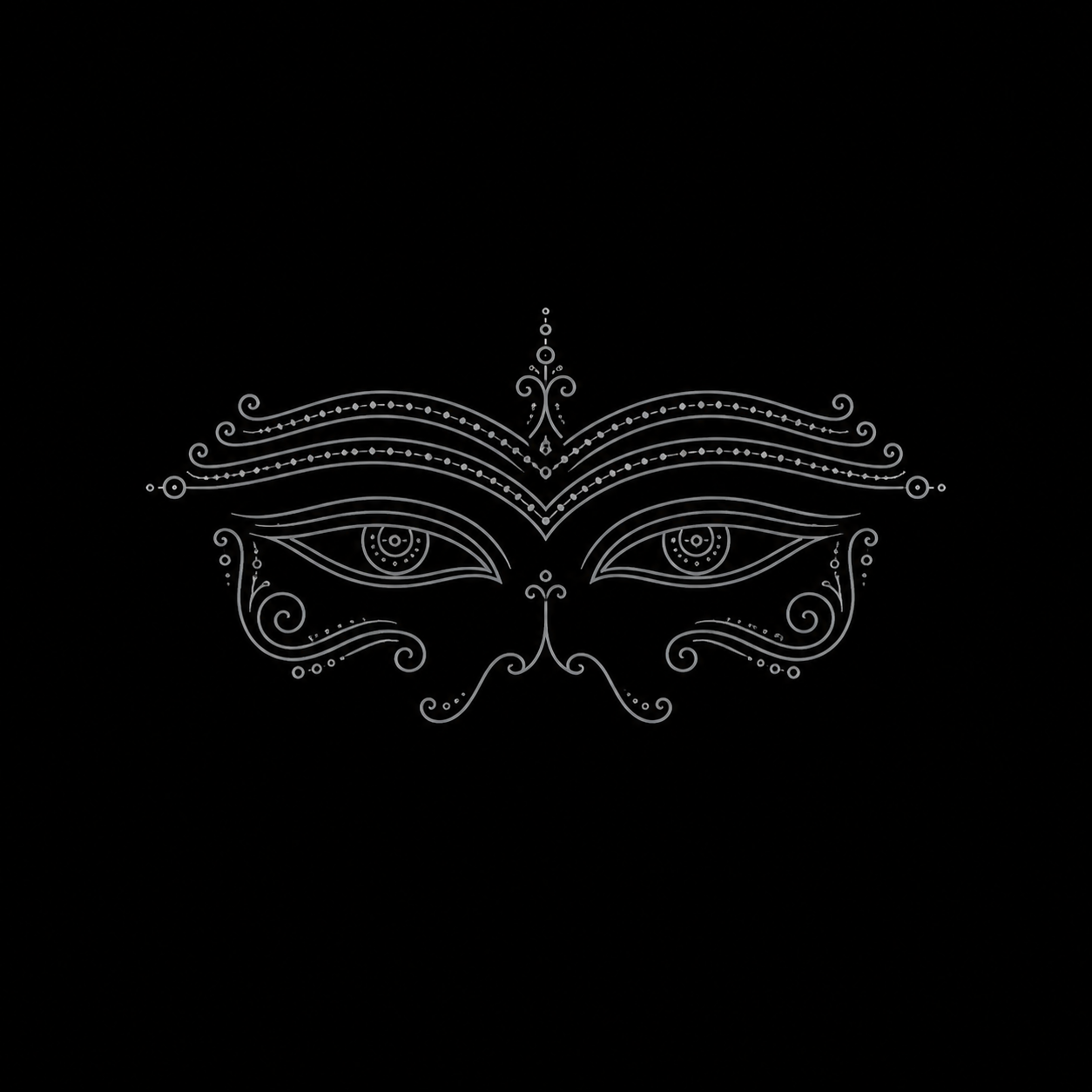
Zakiram is most readily recognised by the two eyes and red tongue on her black face. Crown and side pendants open outward, while the wordless round reflector draws the eye back to the centre. Layered robes descend to reveal a pair of chicken feet.
From a distance, the black face and crown feel fiercely protective. Up close, beads, robe lines, and the round reflector make the act of looking intricate. Hers is not a softly pleasing face, but a presence that asks the viewer to pause, focus, and gather the mind.
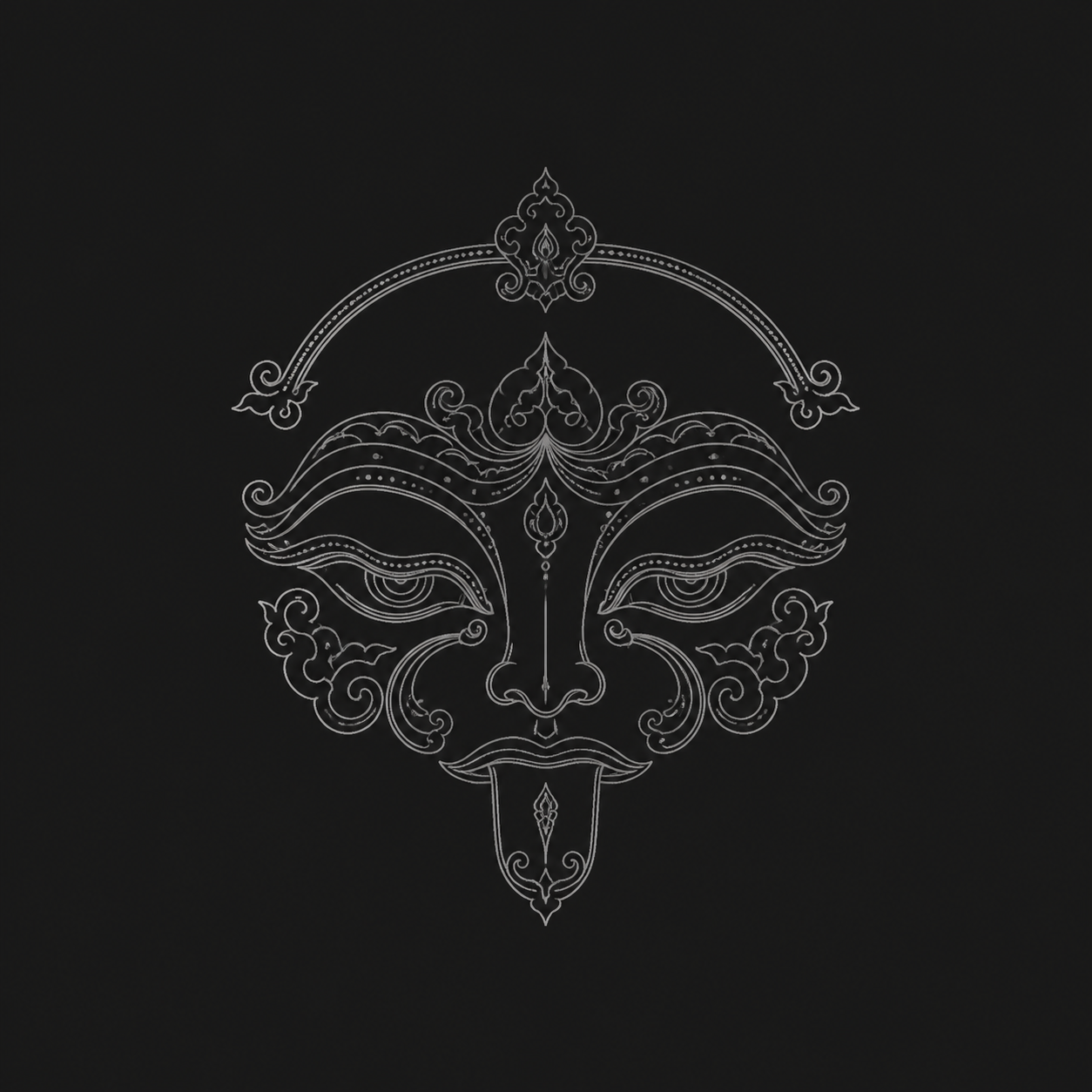
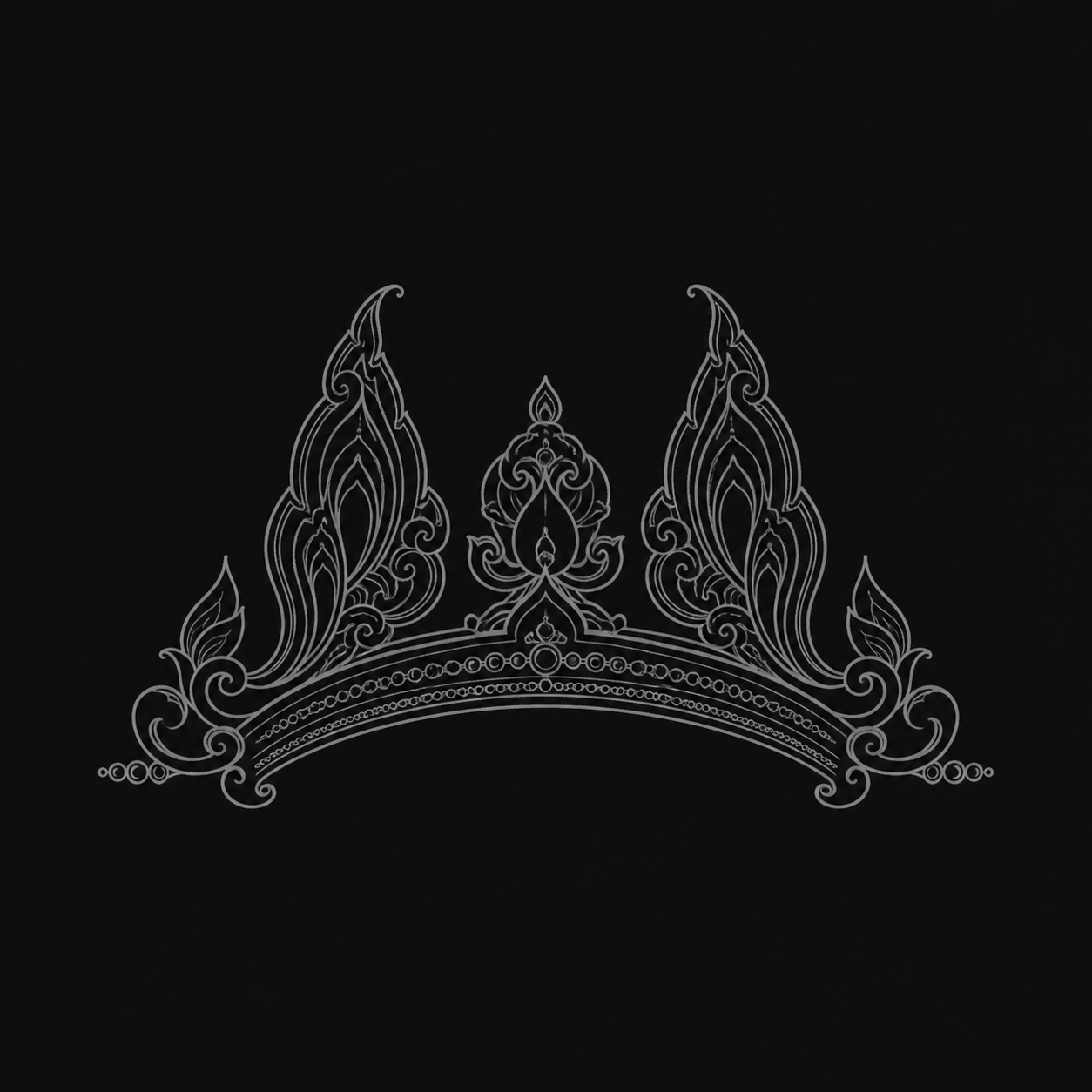
TWELVE DETAILS / ONE FIGURE
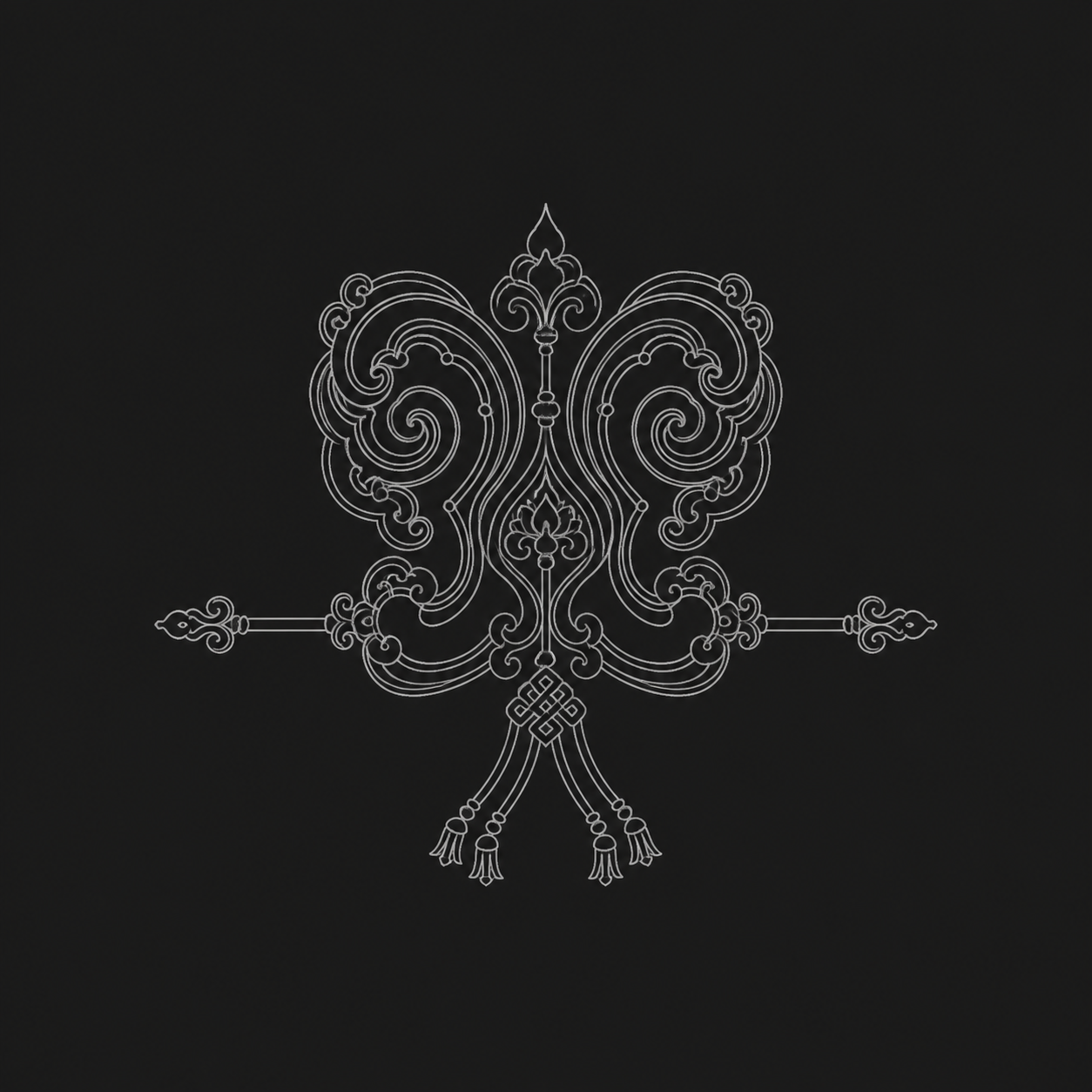
From eyes, crown, and side pendants to the chest reflector, layered robes, and chicken feet, these line studies divide looking into twelve close encounters. Recognise each part, then return to the force of the standing figure.






A STORY CHANGED BY PLACE
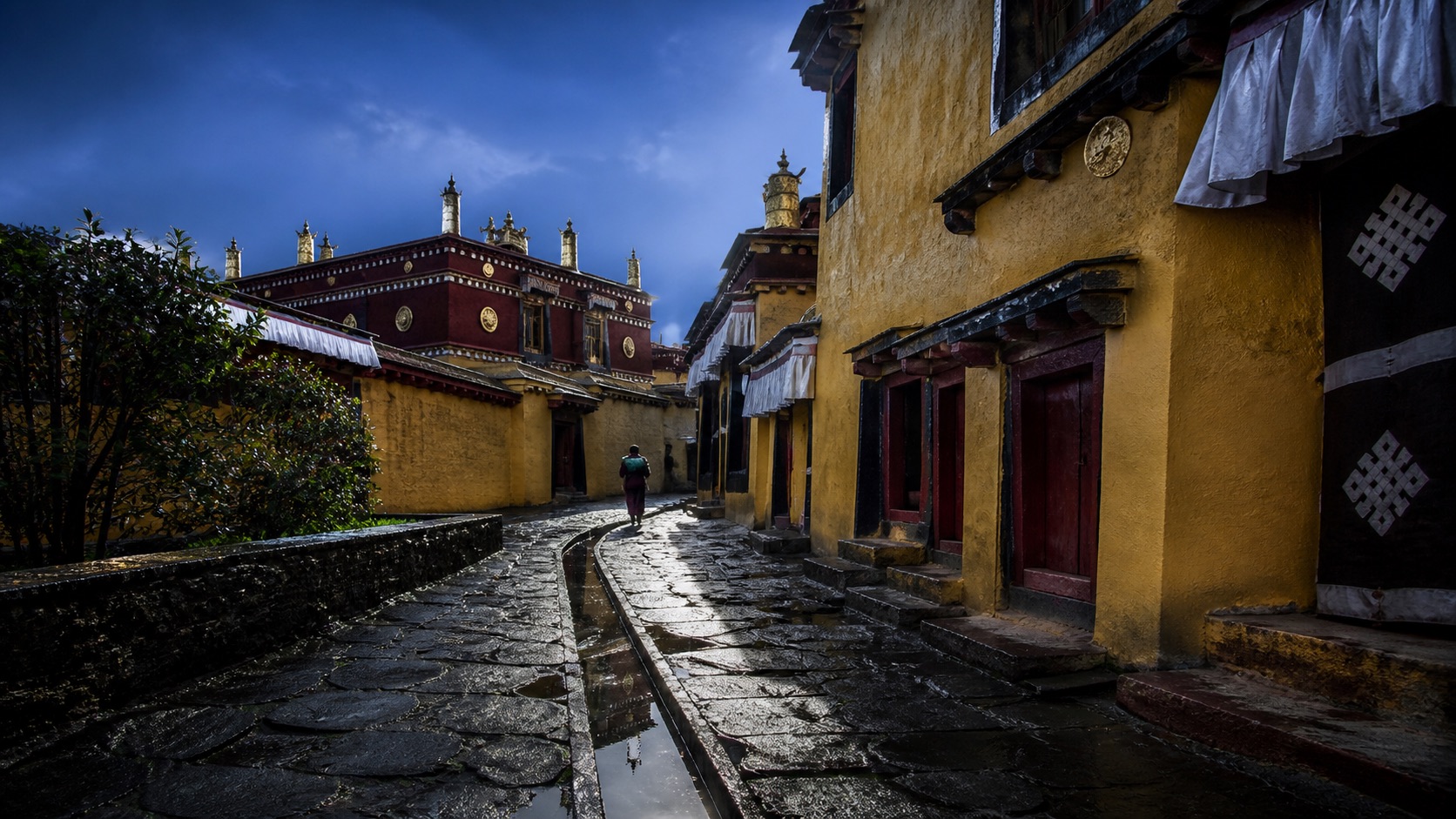
Zakiram’s story endures not only because of a journey, but because of what happened after arrival. Temple, streets, traders, and passers-by brought concerns for livelihood, travel, and family before her. Over time, a travelling narrative overlapped with local life and became part of Lhasa’s everyday memory.
Continue through seven scenesWHAT PEOPLE ASK HER TO CARRY
Some want business to flourish; some want to meet an approaching opportunity. Some hold family safety close; others want to trust their judgement again. Zakiram’s forceful image gives these wishes a centre that can be seen, touched, and carried.
To keep a shop’s light on, give long labour a steadier return, and let what is earned care for oneself and those one loves.
Before a new city, work, or chapter of life, acknowledge hesitation and take the first step with intention.
To hold distant loved ones in mind while tending nearby relationships, and find a kinder balance between intimacy, duty, and personal boundaries.
When an answer has not yet appeared, gather scattered thoughts, and see facts, consequences, and what truly matters.
FROM GODDESS TO TALISMAN
When Zakiram’s eyes, crown, robes, and mirror enter a pendant, a monumental goddess comes to the scale of the body. The outward gaze refuses retreat, the round mirror gathers abundance and protection, and layered robes give her presence weight.
Wear it to work, on a journey, into a negotiation, or give it for a birthday, opening, or new chapter. Each return to the chest renews one intention: let life begin to move.
Choose a Zakiram piece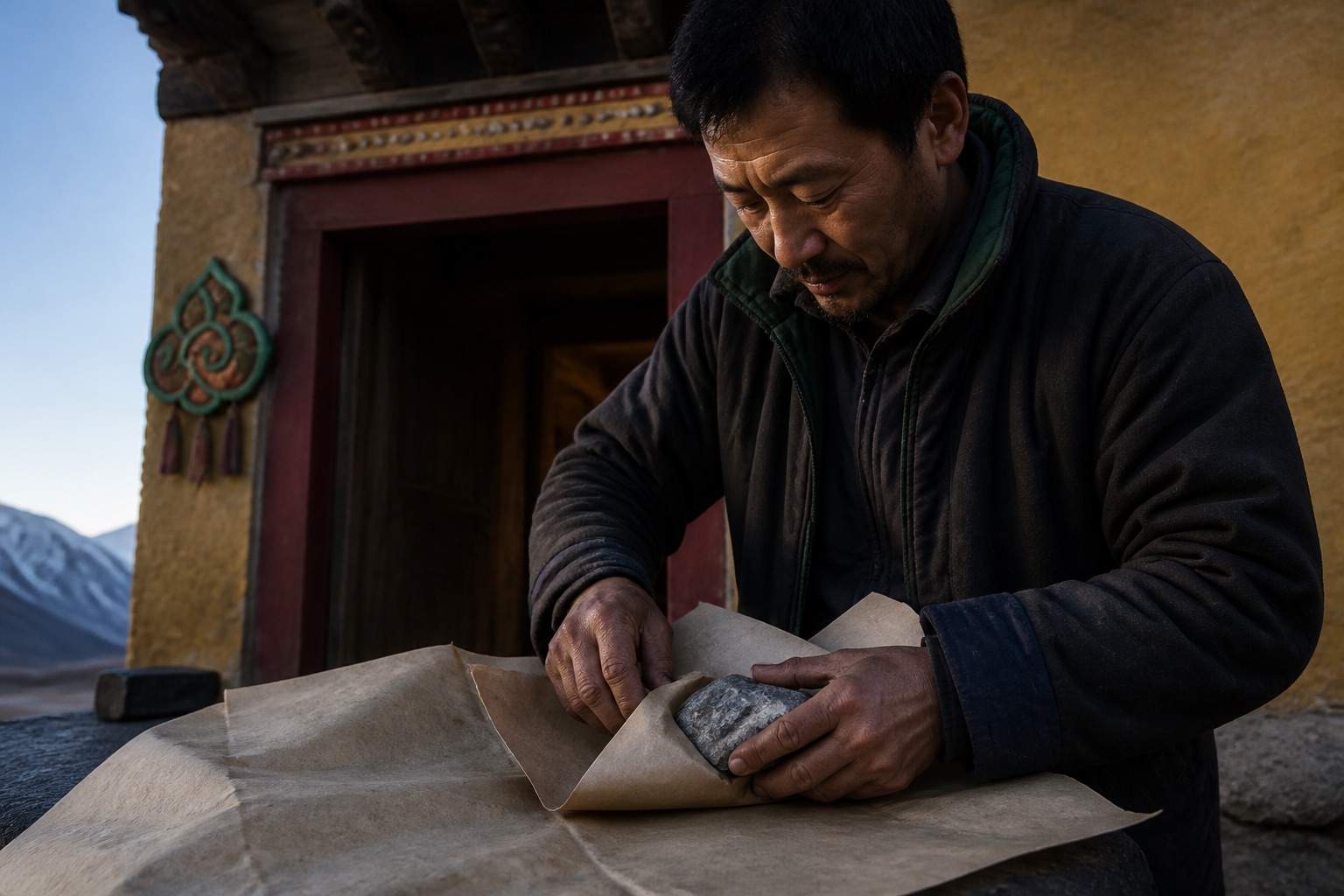
READ FURTHER
To trace the different origin narratives, continue with research on the history of Zaki Temple and Zakiram belief. To see how people speak of her today, read a contemporary lifestyle account. Then return to figure, material, and the work you would choose to wear over time.